The Ways Electric Scooters Are Reshaping City Transportation: Uncovering Their Advantages and Future Developments
Electric scooters are rapidly emerging as a significant part of city mobility. Their small footprint and environmentally conscious construction meet the demands of overcrowded urban settings. As cities improve the infrastructure needed for these modes of transport, their popularity continues to rise. Nevertheless, uncertainties linger surrounding safety measures, governing policies, and future innovations. Grasping the complete effect of e-scooters on city transportation may reveal more than just convenience; it might reshape how cities function altogether.
The Growth of Electric Scooters in City Environments
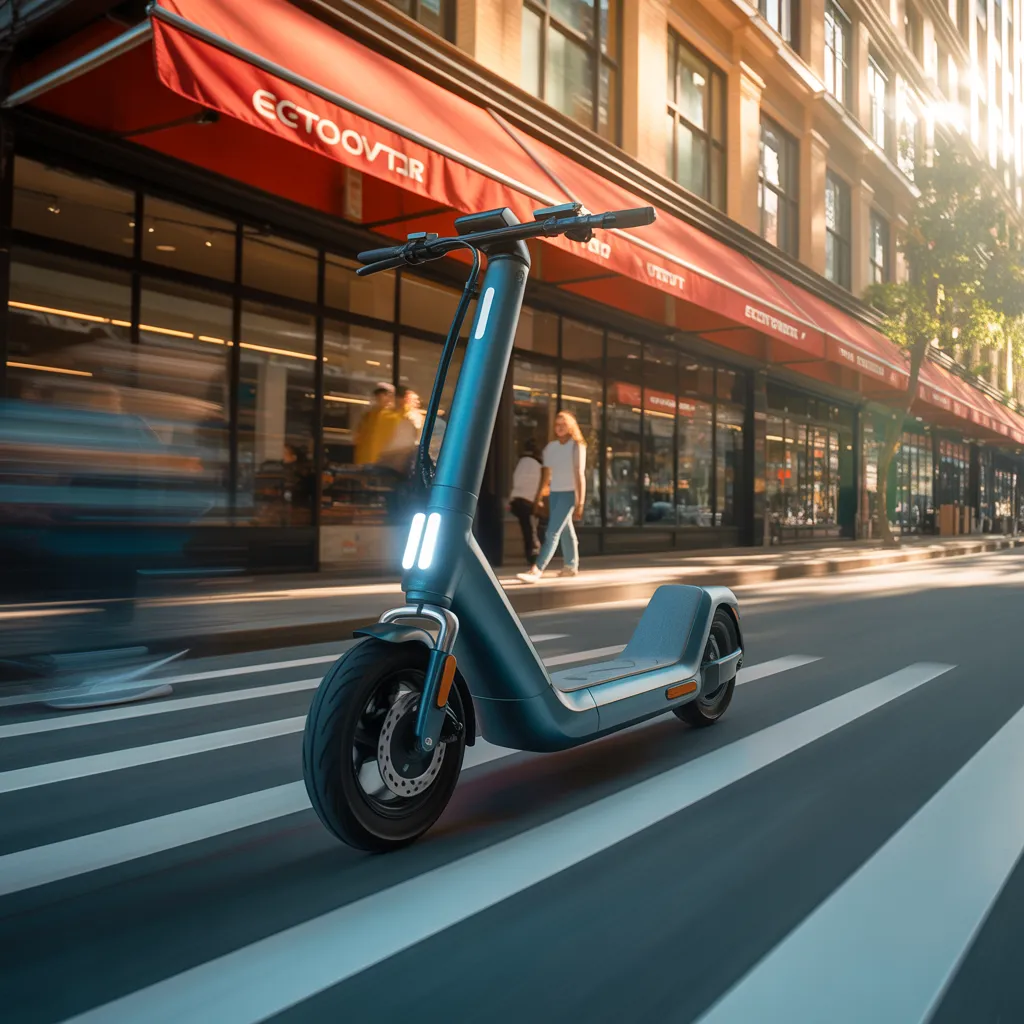
As urban areas struggle with growing traffic issues and ecological challenges, electric scooters have emerged as a popular alternative for urban transportation. Their growing popularity stems from multiple elements, among them the requirement for effective and environmentally responsible transit choices. Numerous city residents look for adaptable and cost-effective ways to travel through crowded urban environments, where standard automobiles regularly struggle to operate efficiently.
The launch of scooter-sharing programs has significantly boosted their popularity, enabling users to access scooters on demand without the challenge of personal ownership. This approach appeals particularly to younger audiences who value convenience and eco-friendliness. Furthermore, municipalities are beginning to recognize the ability of electric scooters to reduce traffic congestion and reduce carbon footprints.
As infrastructure evolves to accommodate these vehicles, cities are channeling investments into designated lanes and parking solutions, making certain that electric scooters become part of the urban transportation ecosystem. This shift points to a transformative trend in how people approach commuting in metropolitan areas.
Five Important Advantages of Electric Scooters for Daily Commuters
Electric scooters offer urban commuters several significant advantages that improve their everyday commuting experience. First, they provide a convenient mode of transport, allowing users to easily navigate congested city streets and arrive at their destinations quickly. Additionally, electric scooters are typically more affordable compared to conventional modes of transport, reducing fuel and parking costs for commuters. Third, their streamlined and compact build makes them ideal for urban environments, letting commuters park in confined spaces with ease. What is more, electric scooters contribute to reduced environmental impact by generating no harmful emissions, fostering improved air quality in urban areas. Finally, they encourage a more active lifestyle, as riding a scooter can be an enjoyable alternative to sedentary transportation methods. Together, these advantages make electric scooters a sensible and attractive option for metropolitan travelers in search of practical and environmentally responsible commuting alternatives.
Electric Scooters: An Answer to Traffic Congestion
Electric scooters provide a promising alternative to standard transportation methods, potentially alleviating road congestion in metropolitan areas. By providing greater mobility choices, they promote movement away from personal vehicles and lead to a decrease in overall traffic levels. Additionally, their environmental benefits align with growing concerns about sustainability and urban air quality.
Decreased Traffic Congestion
Cities grapple with escalating traffic congestion, driving the need for forward-thinking remedies. Electric scooters present themselves as an effective solution, significantly decreasing vehicle volume on roadways. Their small form factor enables seamless movement through congested metropolitan areas, enabling riders to bypass typical road congestion points. By serving as a replacement for personal vehicles for brief journeys, electric scooters help decrease overall vehicle density, promoting more efficient traffic movement. Furthermore, they need reduced parking capacity, additionally easing traffic burdens in densely populated areas. As municipalities incorporate electric scooters within their mobility infrastructure, the possibility of decreased traffic buildup grows ever more apparent, leading to a more sustainable urban landscape and a better standard of living for citizens.
Enhanced Mobility Choices
As urban areas struggle to offer effective transportation solutions, electric scooters present a compelling solution by enhancing mobility. These scooters deliver a versatile travel option that supports established public transit infrastructure, allowing users to navigate short distances quickly. As a viable replacement for standard motor vehicles, electric scooters lessen dependence on automobiles, helping to ease traffic congestion. Their availability promotes spontaneous travel, allowing riders to access locations that might be difficult to reach by other transport options. Additionally, electric scooters serve a broad spectrum of people, ranging from regular commuters to sightseers, making them a versatile option in urban environments. As urban centers keep developing, electric scooters will serve a critical function in transforming city transportation frameworks.
Environmental Impact Benefits
As cities struggle with escalating traffic congestion and pollution, electric scooters present themselves as a compelling solution offering significant environmental advantages. These compact vehicles emit zero exhaust emissions, supporting better air quality in urban environments. By promoting short-range commuting, electric scooters decrease dependence on traditional motor vehicles, which are major sources of greenhouse gas emissions. Furthermore, their streamlined design enables more efficient utilization of city space, easing parking pressures and curbing city expansion. Evidence shows that widespread scooter use can substantially decrease traffic density, resulting in less congestion and enhanced public transportation performance. As municipalities integrate electric scooters into their transit systems, they pave the way for a more sustainable and eco-friendly urban landscape.
Green Benefits of Electric Scooters
Electric scooters deliver significant environmental advantages that can contribute to more sustainable urban transportation. By cutting carbon emissions and easing traffic congestion, they offer a greener option to conventional vehicles. Furthermore, the silent functioning of electric scooters works to minimize sound pollution in heavily populated urban zones.
Decreased Carbon Emissions
Sustainability stands out as an important factor in metropolitan transit, emphasizing the substantial ecological advantages of electric scooters. These modes of transport generate zero tailpipe emissions, providing an eco-friendly substitute to standard fuel-driven transportation. By replacing quick vehicle rides, electric scooters help achieve a significant decrease in harmful gas outputs, supporting the fight against climate change. The adoption of electric scooters also fosters a transition to renewable energy helpful tips sources, as many charging stations are increasingly powered by solar or wind energy. Furthermore, their streamlined construction requires less energy for operation compared to larger vehicles, consistently lowering their carbon footprint. As urban areas embrace electric scooters on a broader scale, the potential for diminished metropolitan pollution and better overall health outcomes grows more apparent.
Diminished Traffic Congestion
The adoption of electric scooters into city transportation networks significantly reduces traffic congestion. By offering a practical and effective substitute to traditional vehicles, electric scooters help reduce the number of cars on the road. This shift not only enhances road utilization but also minimizes travel times for commuters. As more residents select scooters for short trips, the general level of traffic declines, leading to more fluid movement in city zones. Additionally, electric scooters require less space than cars, permitting more efficient use of parking and roadways. As cities welcome this method of transit, the cumulative effect can considerably ease congestion, contributing to a more sustainable urban environment and enhancing the overall quality of urban life.
Reduced Noise Pollution
City landscapes often suffer from high levels of noise pollution, which can harmfully influence residents' health and well-being. E-scooters provide a practical answer to this issue, as they run silently compared to conventional fuel-powered transportation. By reducing the noise produced within urban areas, e-scooters help foster a more peaceful environment, enhancing emotional wellness and improving the quality of life for urban residents. Furthermore, as more people opt for electric scooters over cars, the ambient noise level of cities can transition to a quieter atmosphere. This reduction in noise pollution not only helps inhabitants but also inspires communities to embrace eco-friendly commuting alternatives. Therefore, electric-powered scooters play an important role in cultivating safer, more enjoyable urban spaces.
Remaining Safe While Operating Your Electric Scooter
Using an electric scooter necessitates caution and attentiveness to ensure safety on busy city streets. Scooter users should always wear a helmet, as this significantly reduces the risk of head injuries in case of accidents. It is essential to become acquainted with local traffic laws, as regulations can vary widely by city. Maintaining a safe speed and staying at a proper distance from vehicles and pedestrians improves overall safety.
Moreover, cyclists need to watch out for common road risks like debris, potholes, and unexpected obstacles. Utilizing hand signals during turns or stops can also communicate intentions to others on the road. Nighttime riding calls for reflective gear or lights to improve visibility. In conclusion, refraining from distractions like mobile devices supports concentrated riding. By observing these precautionary steps, electric scooter users can enjoy a safer and more responsible riding experience while moving through metropolitan areas.
Growing Trends in Electric Scooter Usage
How has the adoption of electric scooters been transforming city transportation worldwide? Urban centers are progressively embracing electric scooters as part of their mobility frameworks, driven by increasing demand for green and efficient travel alternatives. Cities are implementing dedicated scooter lanes and parking zones, enhancing safety and accessibility.
Moreover, data-centric strategies are on the rise, enabling municipalities to examine usage trends and enhance service distribution. This movement is encouraging alliances between local authorities and scooter operators, driving more purposeful commitments to urban infrastructure development.
Moreover, advancements in technology are shaping user experiences, with tools such as GPS functionality and smartphone connectivity emerging as industry norms. The rise of subscription payment structures is becoming increasingly apparent, offering users adaptable payment solutions.
As regulatory frameworks adapt, these innovations are set to further influence city transportation patterns, positioning electric scooters as a cornerstone of future urban planning.
Common Questions and Answers
How Do Electric Scooters Stack Up Against Bikes in Urban Environments?
Electric scooters commonly deliver quicker, more space-efficient travel compared to bicycles, ideal for short distances. Nevertheless, bicycles offer more exercise opportunities and better balance. In the end, the decision relies on unique lifestyle choices and distinct metropolitan conditions.
What Are the Expenses Involved in Owning an Electric Scooter?
Having an electric scooter includes initial purchase costs, servicing charges, coverage costs, and likely power costs. Moreover, owners may incur docking costs and require supplementary gear, together forming the overall financial commitment of ownership.
Are Electric Scooters Suitable for All Age Groups?
Electric scooters are generally suitable for various age groups, provided users adhere to safety guidelines. Nevertheless, younger riders may benefit from parental supervision, whereas older adults should take into account their physical abilities and ease with balancing and steering.
How Do Weather Conditions Affect Electric Scooter Usage?
Meteorological factors heavily influence how electric scooters are used. Harsh weather elements such as rain, snow, and extreme temperatures prevent riders from venturing out owing to safety issues and discomfort, while mild, dry weather fosters greater frequency of use, elevating the overall experience and accessibility for riders.
What Laws Oversee Electric Scooter Operation in City Limits?
Guidelines controlling the operation of electric scooters in urban areas typically consist of helmet requirements, insurance mandates, speed limits, age restrictions, and designated parking areas. Such regulations are designed to improve public safety, minimize traffic congestion, and incorporate scooters into current transportation systems.